Why Choose Plastic Injection Moulding Process for Your Products?
The plastic injection moulding process has emerged as a cornerstone in manufacturing. According to recent industry reports, this method accounts for over 30% of the global plastic production. Its efficiency and versatility are paramount for producing complex parts quickly. Companies like Toyota and Apple rely heavily on plastic injection moulding for their components. This reflects its trusted role in high-quality production environments.
Despite its advantages, challenges exist. The initial setup costs can be high. For small production runs, the expense can be difficult to justify. Additionally, achieving perfect quality can require precision and experience. Variations in material properties can affect the final product. Therefore, a deep understanding of the plastic injection moulding process is essential for optimizing production.
Investing in this method makes sense for various industries, from automotive to consumer goods. The speed of production can significantly reduce time-to-market strategies. However, businesses should evaluate their specific needs and long-term goals. Decisions should balance efficiency and product quality for the best outcomes.
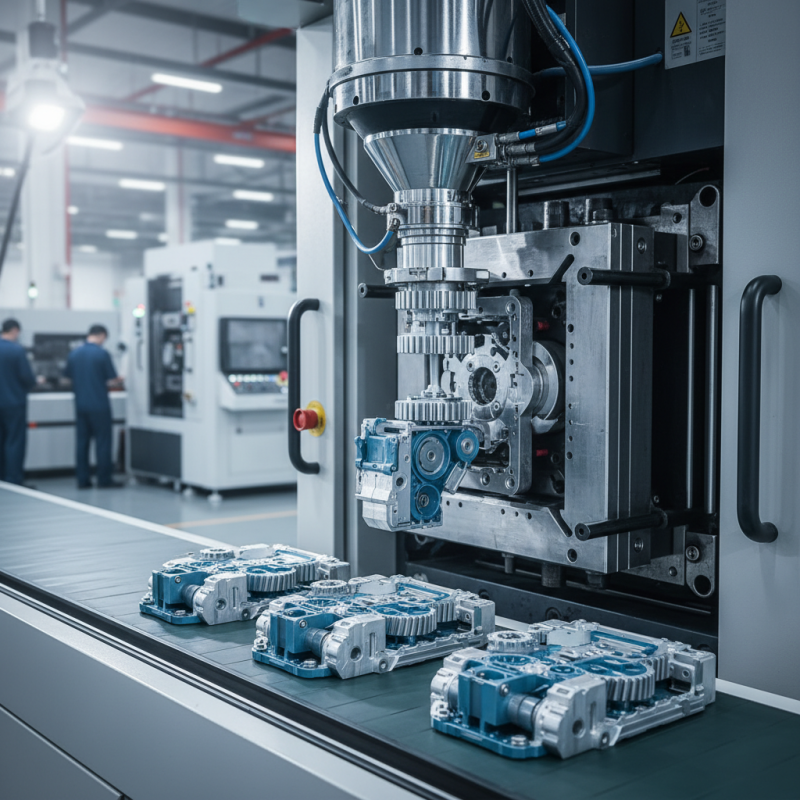
Benefits of Plastic Injection Moulding for Product Development
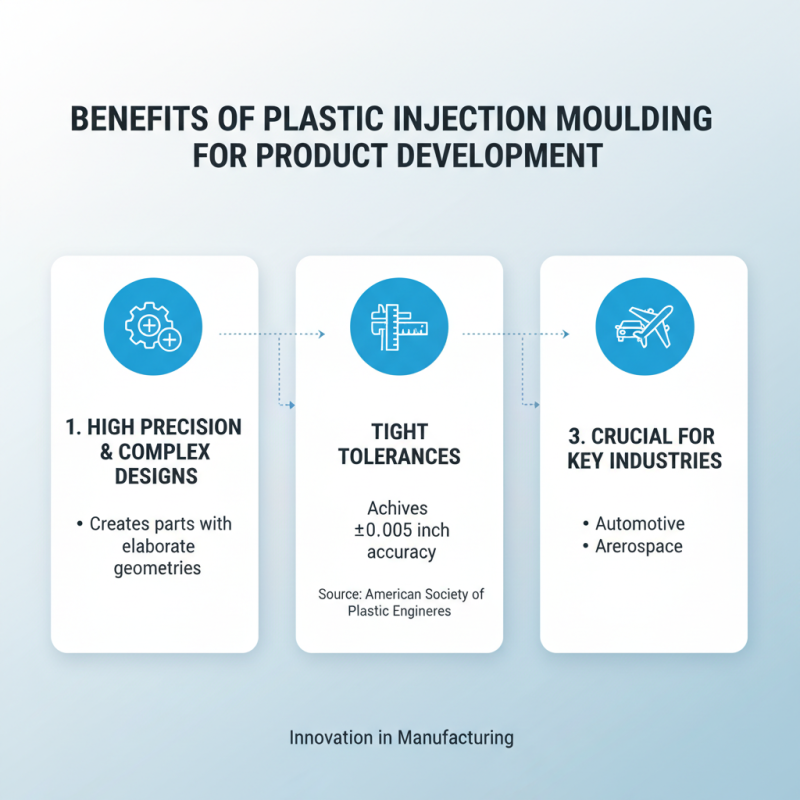
Plastic injection moulding offers numerous benefits for product development. This process allows for high precision in creating complex designs. According to the American Society of Plastic Engineers, this method can achieve tolerances of ±0.005 inches. Such accuracy is crucial in industries like automotive and aerospace, where every detail counts.
Cost-effectiveness is another significant advantage. Studies suggest that production costs can be reduced by up to 50% when using injection moulding compared to traditional methods. This reduction is mainly due to minimized waste and shorter cycle times. However, initial setup costs are high. Companies must carefully evaluate their production requirements before committing.
Speed in production is vital. Injection moulding can produce thousands of units in a day, making it ideal for large-scale production. The upfront investment in tooling can be daunting, but it pays dividends in the long run. Companies should be aware of the balance between cost and production capacity. Focusing on long-term goals can guide decisions in adopting this process, ensuring quality and scalability.
Cost-Effectiveness of Plastic Injection Moulding in Manufacturing
The cost-effectiveness of plastic injection moulding is a significant consideration for manufacturers. This process allows for high-volume production with minimal waste. In fact, reports indicate that injection moulding can reduce operational costs by up to 25%. The efficient use of materials contributes to lower expenses per unit produced. Companies can manufacture complex shapes without the need for extensive manual labor, further decreasing costs.
Another vital aspect is the speed of production. Injection moulding allows manufacturers to produce thousands of parts in a single run. According to industry studies, cycle times can be as fast as 15 to 30 seconds per part. This rapid output can greatly enhance profitability, especially in competitive markets. However, initial setup costs for mould creation can be high. This factor requires careful financial planning for companies, particularly startups.
Sustainability is also becoming more relevant. Many manufacturers are exploring eco-friendly materials through injection moulding. Reports estimate that using recycled plastics can cut costs by another 10%. While these options are promising, they often necessitate a more in-depth analysis. Striking the right balance between cost and environmental impact remains a challenge for the industry.
Why Choose Plastic Injection Moulding Process for Your Products? - Cost-Effectiveness of Plastic Injection Moulding in Manufacturing
| Dimension |
Value |
| Initial Setup Cost |
$5,000 - $10,000 |
| Cost per Unit (High Volume) |
$0.10 - $0.50 |
| Cycle Time |
15 - 60 seconds |
| Material Utilization Rate |
90% - 95% |
| Production Rate (units/hour) |
300 - 1,200 |
| Lead Time for Production |
1 - 4 weeks |
| Environmental Impact |
Recyclable Materials Available |
| Design Flexibility |
Complex Geometries Possible |
Design Flexibility and Complexity Achieved Through Injection Moulding
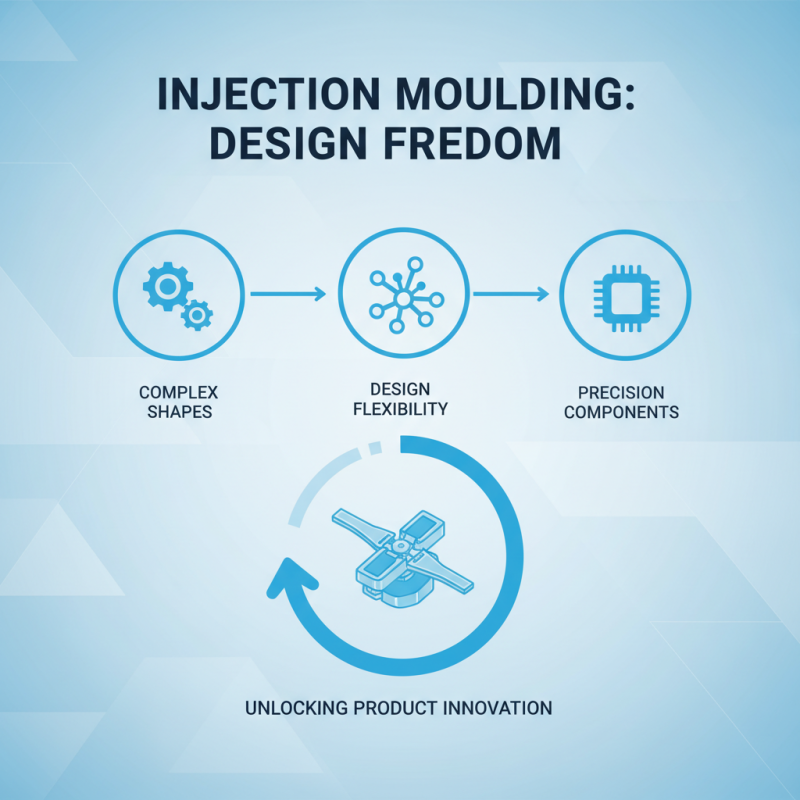
The injection moulding process stands out for its design flexibility and ability to create complex shapes. This method allows manufacturers to produce detailed components with precision. The technology can adapt to intricate designs that traditional methods often fail to achieve. These capabilities open up a world of opportunities for product innovation.
Consider how injection moulding handles various materials. It can work with thermoplastics, elastomers, and even certain metals. Each material contributes unique properties to the final product. For instance, lightweight designs can be achieved with the right choice of plastic. However, designers must remain conscious of potential material limitations and ensure proper fit during the production stage.
Complex details can be incorporated into the products seamlessly. Features like undercuts, grooves, and fine textures become possible. Still, achieving these details requires expertise and careful planning. A design may look perfect on paper but might present challenges in execution. Iterations and prototypes are crucial to refine the product before mass production. Balancing creativity with practical limitations can lead to truly inventive solutions.
Speed and Efficiency: Production Time Advantages of Injection Moulding
The injection moulding process stands out due to its speed and efficiency. According to a study by the American Society of Polymer Science, injection moulding can produce parts in seconds. This rapid turnaround is critical for industries that demand high-volume production. With cycle times as low as 15 seconds, manufacturers can significantly reduce time to market.
However, it is not solely about speed. The ability to replicate high-quality parts consistently sets injection moulding apart. The precision of the process ensures that intricate designs are maintained without losing details. A report from the Plastics Industry Association highlights that businesses can achieve up to a 90% reduction in waste when compared to traditional manufacturing methods.
**Tip:** Consider investing in high-quality moulds. While initially expensive, they can enhance durability and reduce defects in your products.
It's worth noting that while injection moulding is efficient, setup and initial costs can be prohibitive for small production runs. Assessing your production needs carefully can help prevent unnecessary expenses. Balancing speed with quality remains a crucial factor in the decision-making process.
**Tip:** Evaluate your prototype needs before committing to large-scale production. This can save time and resources while ensuring the final products meet your standards.
Environmental Considerations in Plastic Injection Moulding Processes
Plastic injection moulding is a popular choice for many products. However, its environmental impact deserves close scrutiny. This process involves melting plastic and injecting it into a mold. While efficient, it can lead to significant waste if not managed properly.
One major concern is plastic waste. Many manufacturers overlook recycling opportunities. This oversight can contribute to pollution and landfill overflow. Some plastics are recyclable, but improper disposal diminishes this advantage. Implementing recycling initiatives during production is essential. This can help create a closed-loop system and reduce the ecological footprint.
Sustainability in plastic injection moulding is not just an option; it’s a necessity. Evolving technologies are making it possible to use biodegradable materials. The transition to eco-friendly resins can be a challenge, but the benefits are undeniable. The industry must embrace these materials to align with global environmental goals. By rethinking practices, manufacturers can minimize harm and promote a greener future.
Environmental Impact of Plastic Injection Moulding Process