2026 How to Choose the Right Injection Molding Mold?
Choosing the right injection molding mold is crucial for any manufacturing process. Experts like John Smith, a seasoned professional in the injection molding industry, emphasize, “The mold can make or break your production quality.” With numerous options available, making an informed choice can be daunting.
Quality molds lead to efficient production runs and precise parts. A poorly designed injection molding mold can result in defects and increased costs. Each mold comes with its own specifications and materials, which makes the selection process complex. It’s essential to consider factors such as material compatibility and design intricacies.
Even experienced manufacturers sometimes overlook vital details when choosing a mold. The process requires careful assessment of needs, durability, and cost. Balancing these factors can be challenging, yet it determines overall success. Taking the time for thorough evaluation can prevent costly mistakes down the road. The right injection molding mold not only enhances efficiency but also contributes to a higher standard of quality in finished products.
Understanding the Types of Injection Molding Molds Available in 2026
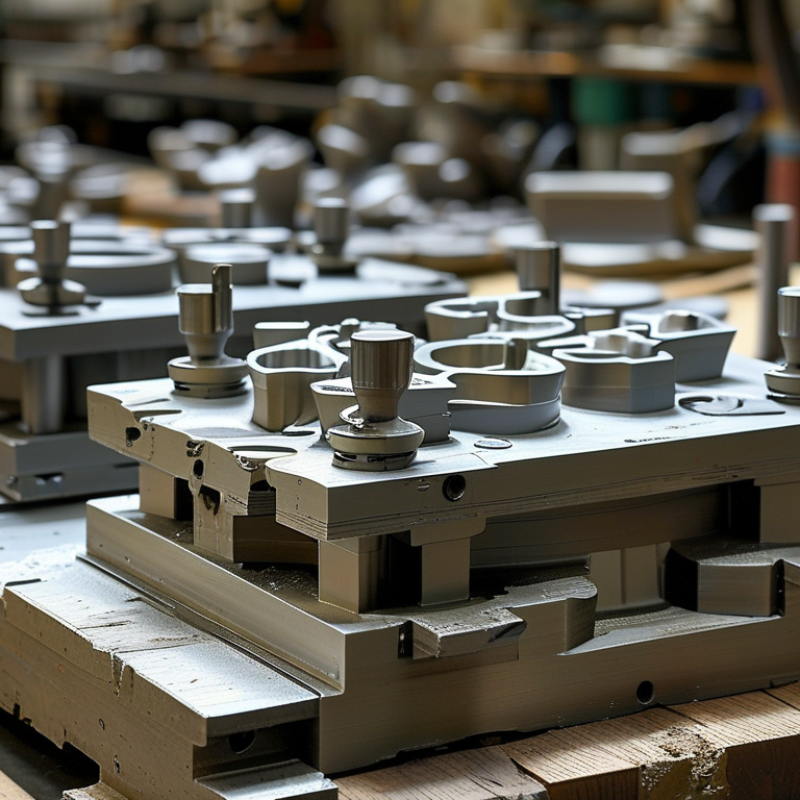
Injection molding is a widely used manufacturing process. It relies heavily on the type of mold employed. Understanding the different types of molds available in 2026 is essential for achieving superior results.
One common type is the single cavity mold. It produces one part at a time. This is ideal for low-volume production. However, it can be inefficient for larger runs. Conversely, multi-cavity molds produce several parts in one cycle. This method increases efficiency but requires careful design to manage quality and uniformity. Balancing cost and production speed is vital.
Tips: Consider your production volume. If it's low, a single cavity mold may suffice. For high volumes, think about multi-cavity options. But keep in mind, upfront costs can be higher.
Another option is the family mold. This can produce different parts simultaneously. It’s excellent for creating related products but can be tricky to execute correctly. Misalignment or uneven cooling can lead to defects. It's crucial to weigh the pros and cons before deciding.
Tips: Always prototype before committing to a mold type. Test different designs and configurations. This helps identify potential issues early.
Key Factors in Selecting Injection Molding Molds: Material and Design
Choosing the right injection molding mold is a crucial step. The material you select directly impacts the quality and durability of the final product. Common choices include steel and aluminum, each with its benefits. Steel molds provide durability and can withstand high production volumes. Aluminum molds, however, allow for faster production and lower initial costs. Yet, they may not last as long as steel in high-stress applications.
Design considerations are equally important. A well-thought-out design reduces defects and scrap rates. It should facilitate easy part release and minimize cooling time. Consider the complexity of the part; intricate shapes may require more advanced mold designs. Keeping tolerances tight is essential, but it can add to production costs.
Sometimes, compromises are necessary. Not every material suits every project. Sometimes, you may need to reassess your priorities between cost and quality. Reflecting on your specific needs can lead to better decision-making. Each project has unique demands, and your choices must align with those. Balancing materials and design is key.
2026 How to Choose the Right Injection Molding Mold? - Key Factors in Selecting Injection Molding Molds: Material and Design
| Factor |
Description |
Examples |
| Material Choice |
The selection of material affects the mold's durability and the plastic's final properties. |
Steel, Aluminum, Composite materials |
| Design Complexity |
Design must accommodate manufacturing processes and part functionality. |
Complex geometries, undercuts, threaded holes |
| Production Volume |
The expected number of parts to be produced influences material and machine costs. |
Low, medium, high volume |
| Cooling System Design |
A well-designed cooling system reduces cycle times and improves part quality. |
Conformal cooling, traditional cooling lines |
| Budget |
Total cost of mold including development, material, and maintenance needs to be considered. |
Cost estimation for design and manufacturing |
| Lead Time |
Consideration of how quickly the mold can be manufactured and delivered. |
Standard vs expedited production timelines |
Evaluating Cost-Effectiveness in Injection Molding Mold Selection
When selecting the right injection molding mold, evaluating cost-effectiveness is crucial. Not only does the mold design impact production quality, but it also affects overall costs. A recent study indicated that changing mold designs can reduce production costs by up to 30%. This statistic emphasizes the need to carefully analyze every element of the mold selection process.
Cost-effectiveness involves a comprehensive evaluation of materials, manufacturing processes, and potential lifecycle costs. High-quality steel molds might require a larger upfront investment, but they often deliver longer service life and higher precision. In contrast, cheaper materials can lead to increased maintenance costs. Research shows that 50% of companies encounter unexpected costs due to poor mold quality. This insight suggests that choosing the right mold is about balancing initial costs with long-term benefits.
Additionally, it's essential to consider production volume and product complexity. For high-volume production, a robust mold is necessary, even if the initial cost is elevated. Conversely, for lower volumes, a simpler design may suffice. However, this choice may impact efficiency and durability. Business leaders need to reflect on these trade-offs to make informed decisions that align with strategic goals.
Analyzing Production Volume Requirements for Mold Choices
When choosing the right injection molding mold, understanding your production volume requirements is essential. High-volume production often necessitates more durable molds. These molds are designed for longer runs and can handle the stresses of continuous operation. Conversely, lower-volume production can allow for less robust molds, which are typically more cost-effective.
It’s important to evaluate the anticipated production numbers carefully. For instance, a project projected to produce thousands of parts may justify investing in a high-quality steel mold. On the other hand, a project with lower targets might benefit from aluminum molds, which are lighter and cheaper but may not last as long. A common mistake is underestimating production needs. An overly ambitious estimate can lead to costly mistakes in mold selection.
In some cases, it's wise to rethink production strategies. Have you considered whether a flexible approach might work? Multi-cavity molds can increase output, but they also require precise engineering. Reflecting on these factors helps prevent future challenges, such as unpredicted downtime or increased costs. Every decision should weigh both short-term needs and long-term goals to ensure the mold choice aligns perfectly with production requirements.
Importance of Precision and Tolerances in Mold Manufacturing Decisions
Choosing the right injection molding mold is crucial for any manufacturing process. The precision and tolerances involved in mold manufacturing significantly affect the product's quality. Precision is not just a buzzword; it ensures parts fit together properly. A small deviation in measurements can lead to parts that are difficult to assemble or may even fail, creating costly delays.
Tolerances determine how much variation is acceptable in the mold dimensions. Tight tolerances require more sophisticated machinery and skilled workers, which can increase production costs. However, slack tolerances could compromise performance, leading to defects. Understand that achieving the perfect balance can be challenging. Every project has unique requirements that may push the limits of standard practices.
Mold design involves making educated decisions. Reflecting on past projects can provide insights into potential pitfalls. Consider the complexity of the part you are producing. A complex design may need additional guiding systems or cooling channels. Achieving the right fit might require multiple iterations. Be willing to adapt and learn from mistakes throughout the process.