What is a Hollow Bit and How is it Used in Drilling?
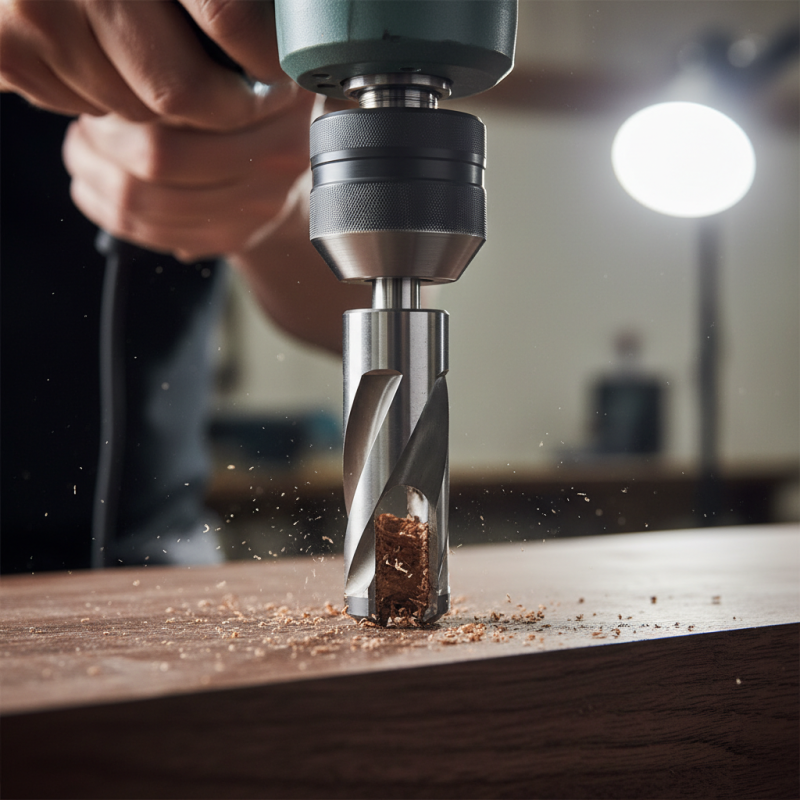
A Hollow Bit is a specialized drilling tool designed for creating precise holes. It is essential in various applications, including woodworking, construction, and metalworking. This tool features a hollow center, allowing it to extract material as it drills. The design is efficient for creating deep, clean holes.
Understanding how a Hollow Bit works can enhance drilling techniques. Its unique structure aids in chip removal, reducing clogging. This is particularly beneficial for arduous materials such as metal or hardwood. However, not everyone may be familiar with its use. With the right knowledge, operators can optimize their drilling processes.
Some users may struggle with choosing the right size of Hollow Bit. This can lead to imperfect holes that require additional finishing. The learning curve can be steep, but practice and patience yield improvement. Familiarity with this versatile tool ultimately enhances project outcomes.
What is a Hollow Bit?
A hollow bit is a specialized drilling tool designed for creating precise holes. Its unique structure allows for the removal of material from the center. This functionality makes it ideal for various applications in construction, woodworking, and even metalworking. Hollow bits can easily cut through different materials, while ensuring clean and accurate holes.
When using a hollow bit, positioning is crucial. Incorrect alignment can lead to uneven holes or damage to the material. It's essential to apply consistent pressure during drilling to maintain control. A steady hand ensures that the bit does not wander, which could result in mistakes. Some users may find it challenging to judge the right speed. This aspect often requires practice.
Additionally, the depth of the hole can be tricky. Drilling too deep may compromise the strength of the remaining material. If the bit gets stuck, it can be frustrating. Regularly checking the bit's condition is important to avoid overheating. Users sometimes overlook inspection, leading to unnecessary setbacks. Exploring the intricacies of hollow bits can enhance one's skill and produce impressive results.
Key Components of a Hollow Bit
Hollow bits are essential tools in the drilling industry. They assist in creating effective holes for various applications. Understanding their key components can enhance their usage and efficiency.
A hollow bit typically features a cylindrical body. The outer edge contains sharp cutting teeth. These teeth break through materials like wood or metal. Inside the bit, a central passage allows for the removal of debris. This design helps keep the drilling area clean.
Other important elements include the shank. This connects the bit to the drill. A durable shank ensures stability and accuracy during operation. Additionally, some hollow bits come with replaceable tips. This is useful for maintaining performance without needing to replace the entire bit. The combination of these parts maximizes the bit's effectiveness.
However, users must remember that wear and tear are common. Regular inspection can prevent inefficiencies and ensure optimal results.
Applications of Hollow Bits in Drilling
Hollow bits are essential tools in the drilling industry. They create a cylindrical hole while allowing material to be extracted from deeper underground. This feature is particularly useful in various applications, which aim to improve efficiency.
One significant application of hollow bits is in geological exploration. These bits allow geologists to collect core samples. Core samples provide vital data about the earth's composition. This information helps in resource management and environmental assessments. Using hollow bits in drilling enables better decision-making based on solid evidence.
Another common use is in construction and infrastructure projects. Hollow bits help create passages in concrete and rock. They can facilitate the installation of plumbing, wiring, and other systems. In these scenarios, precision is key. However, improper use can lead to complications and delays. Always ensure the right type of hollow bit is selected for specific materials.
Tips: Always check the drill's compatibility with the hollow bit. Proper maintenance extends the life of your tools. If you encounter unusual wear patterns, reassess your drilling technique. Regularly inspect for safety before starting any project.
Advantages of Using Hollow Bits
Hollow bits are specialized tools used in drilling. Their unique design allows them to create holes while removing debris efficiently. This feature is particularly advantageous in various applications, such as construction and geology. Let's explore the benefits of using hollow bits.
One major advantage is their ability to maintain a clean drilling path. The hollow design allows for improved debris removal. This keeps the hole clear and reduces the risk of clogging. As a result, projects can proceed more smoothly. There's also less downtime, making operations more efficient.
Tips for using hollow bits effectively include selecting the right bit size for your project. Always consider the material you are drilling into. Softer materials may require a different approach than harder ones. Additionally, ensure your equipment is compatible with hollow bits. Proper maintenance is crucial. Clean your bits after use to prolong their lifespan. Improper care can lead to performance issues.
Ultimately, hollow bits offer significant advantages in drilling applications. Their design enhances efficiency and effectiveness. However, understanding their limitations is essential for optimal use.
What is a Hollow Bit and How is it Used in Drilling? - Advantages of Using Hollow Bits
| Feature | Description | Advantages | Applications |
| Hollow Core | Designed to create an inner space in materials during drilling. | Allows for increased chip removal and reduces heat. | Geotechnical, environmental, and construction drilling. |
| Cutting Efficiency | Enhanced design for fast penetration in various materials. | Improves overall drilling speed and productivity. | Mining, oil drilling, and geological surveys. |
| Versatile Sizes | Available in various diameters to suit different project needs. | Flexibility to adapt to multiple applications. | Ideal for custom projects requiring specific hole sizes. |
| Material Options | Manufactured from high-strength materials for durability. | Reduces wear, prolonging the life of the tool. | Used in tough environments like rocky terrain. |
Maintenance and Care for Hollow Bits
Hollow bits are essential for drilling. Proper maintenance can extend their lifespan. These bits require regular checks and cleaning to function optimally. They often get clogged, reducing efficiency. It's crucial to inspect them after each use.
Cleaning hollow bits is straightforward. Use water and a brush to remove debris. Make sure the inside is clear. A simple rinse can do wonders. Don't forget to dry them completely. Moisture can damage the metal.
Tips: Store hollow bits in a dry place. This prevents rust. Also, occasionally apply light oil. It helps in protecting against corrosion. Regular sharpening can maintain performance. Dull bits lead to frustration and poor results. Remember, care is essential for tools. Neglect can result in costly replacements. Keep them in top shape for better drilling experiences.
Hollow Bit Performance Metrics