Top 10 Tips to Optimize Your Injection Moulding Process?

The injection moulding process is a critical method in manufacturing today. It allows companies to create complex shapes efficiently. According to Dr. Sarah Whitfield, a renowned expert in polymer processing, "Streamlining the injection moulding process can significantly enhance productivity and reduce costs." Her insights reflect the growing need for optimization in this field.

Many manufacturers struggle with inefficiencies in their injection moulding processes. Common challenges include long cycle times and material waste. These issues not only increase production costs but also hinder competitiveness. A careful review of each step can reveal room for improvement.

Emphasizing best practices is crucial. However, some companies may overlook important factors such as machine calibration and material selection. As the industry evolves, embracing innovative techniques becomes essential. Thus, understanding how to optimize your injection moulding process can lead to substantial benefits. It opens doors to improved quality and lower expenses.

Top 10 Tips to Optimize Your Injection Moulding Process?

Understanding the Basics of Injection Moulding Process Optimization

Optimizing the injection moulding process begins with understanding its nuances. This technique transforms plastic pellets into precise parts. Key factors include temperature, pressure, and cooling time. Each variable affects the final product's quality and consistency. Monitoring these parameters can reveal inefficiencies, yet many overlook them. Even slight adjustments can significantly enhance outcomes.

Inexperienced operators may focus solely on speed, neglecting quality checks. Regular assessments help identify ongoing issues. For instance, inconsistent wall thickness often indicates a need for better calibration. Furthermore, technician training is essential. Knowledge gaps can lead to repeated mistakes. Emphasizing education fosters a culture of continuous improvement.

Ultimately, successful optimization involves ongoing evaluation. Trials and errors are common, yet they yield valuable insights. Engaging team members in discussions allows for a diverse range of ideas. Testing different approaches might initially seem cumbersome, but it leads to innovative solutions. Striving for perfection, even in imperfections, is vital in achieving excellence in moulding processes.
Key Factors Affecting Injection Moulding Efficiency and Quality

In the injection moulding process, several key factors can significantly impact efficiency and quality. Proper control of temperature is crucial. Too high or too low temperatures can lead to defects in the final product, such as warping or incomplete filling. Keeping temperature consistent throughout the cycle is essential for maintaining quality.

Material selection also plays a vital role. Different materials require specific processing conditions. Understanding the flow characteristics of the chosen resin can optimize cycle times. A well-chosen material can enhance the structural integrity and surface finish of the moulded part.

One effective tip is to monitor the injection speed. Fast speeds might improve cycle times but can cause defects like short shots. On the other hand, slow speeds can result in uneven filling. Testing various speeds can help find the right balance for each project. Regularly reviewing your process parameters can reveal areas for improvement. Allowing time for reflection on past productions is key to enhancing future results.

Top 10 Tips to Optimize Your Injection Moulding Process

Tip Description Benefit Impact on Efficiency
Optimize Machine Settings Adjust temperature, pressure, and speed parameters for the specific material. Improved cycle time and lower reject rates. High
Regular Maintenance Conduct routine checks and servicing on machinery. Reduced downtime and increased longevity of equipment. Medium
Material Selection Choose materials that best fit the product requirements and processing conditions. Enhanced product quality and performance. High
Mold Design Optimization Ensure efficient flow and cooling designs in molds. Faster cooling times and reduced cycle times. High
Temperature Control Maintain optimal temperature throughout the process. Consistent product quality and dimensional accuracy. High
Cycle Time Analysis Analyze and minimize each segment of the cycle time. Greater overall throughput and efficiency. Medium
Employee Training Provide ongoing training for operators and engineers. Higher skill levels lead to better setup and troubleshooting. Medium
Quality Control Measures Implement rigorous inspection protocols. Reduced defects and waste. High
Use of Advanced Technology Incorporate automation and real-time monitoring systems. Increased precision and reduced manual errors. High
Feedback Loop Implementation Establish a system for continuous improvement feedback. Ongoing enhancements in the production process. Medium

Techniques for Reducing Cycle Time in Injection Moulding

Top 10 Tips to Optimize Your Injection Moulding Process?

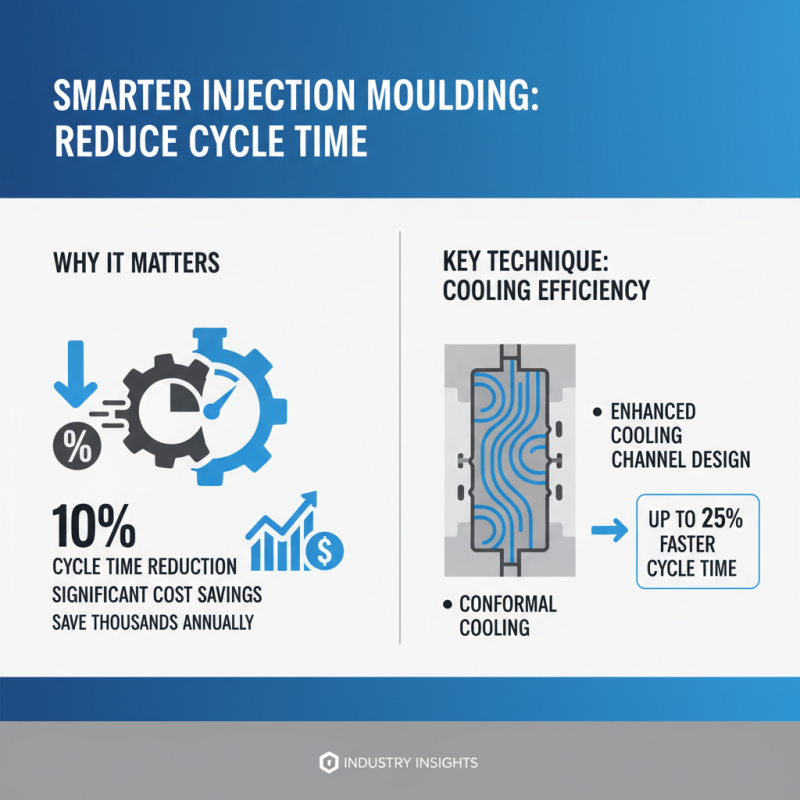
Optimizing cycle time in injection moulding is crucial for efficiency. Industry reports indicate that reducing cycle time by just 10% can lead to a significant cost decrease, potentially saving manufacturers thousands annually. One effective technique is to improve cooling efficiency. This can be achieved through enhanced cooling channel design. For instance, using conformal cooling channels can reduce cycle times by up to 25%.

Another key approach is the use of faster injection speeds. When set correctly, high injection speeds can minimize the time the material is in the mould, thus speeding up production. According to data from the Plastics Industry Association, a 15% increase in injection speed can shorten cycle times notably. However, this sometimes causes quality issues, leading to defects that need addressing.

Employing advanced simulations during the design phase can also help. Simulations allow manufacturers to visualize how changes affect cycle times. However, the learning curve for these technologies can be steep, presenting challenges. Additionally, regular maintenance of machinery is essential, yet often overlooked. Neglect can result in increased cycle times and higher costs due to machine downtime. By focusing on these areas, manufacturers can achieve better outcomes.

Importance of Material Selection in the Injection Moulding Process

Material selection plays a crucial role in the injection moulding process. The choice of materials impacts product quality, production speed, and cost efficiency. According to a report by the Plastics Industry Association, nearly 50% of manufacturing defects arise from improper material selection. This highlights the need for careful consideration of the material properties required for specific applications.

Tips for optimizing material selection include conducting a thorough analysis of mechanical and thermal properties. Knowing the end-use conditions will guide choices effectively. Assessing compatibility with additives and colorants also enhances performance.

Additionally, ensure you verify supplier data. A study from The Polymer Journal indicated that 30% of material inconsistencies stem from supplier errors. Open communication with suppliers can prevent issues. Choosing the right material minimizes waste and reduces time spent on rework. Select materials that align with your production capability and customer requirements. This helps avoid future complications.

Top 10 Tips to Optimize Your Injection Moulding Process

Implementing Continuous Improvement Strategies in Injection Moulding

Top 10 Tips to Optimize Your Injection Moulding Process?

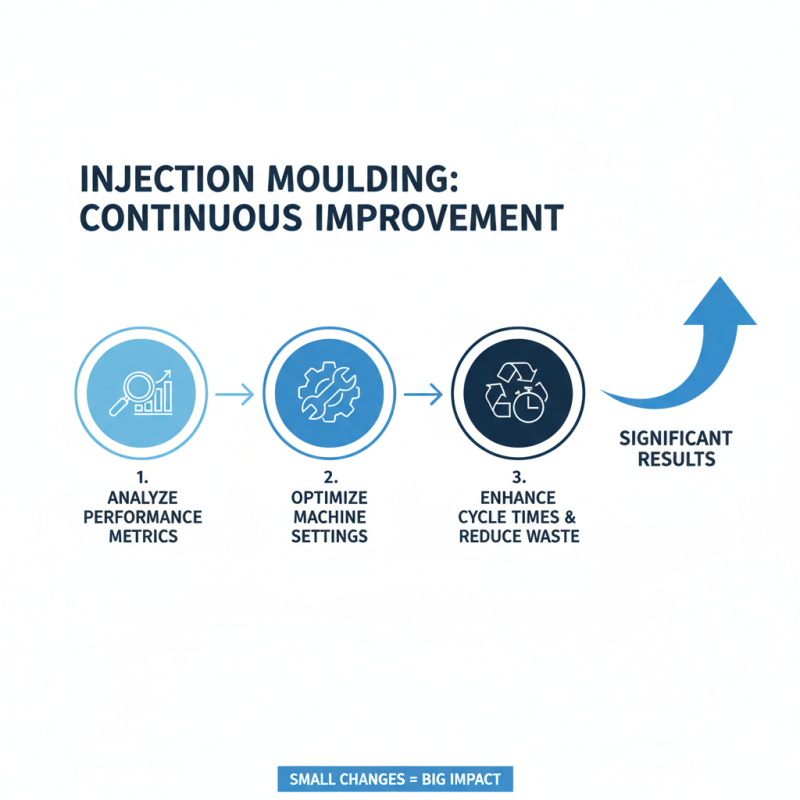
The injection moulding process suffers from inefficiencies without continuous improvement strategies. Regularly analyzing performance metrics can identify bottlenecks. Adjustments in machine settings can enhance cycle times and reduce waste. A small change in temperature or pressure might yield significant results.

Employee feedback is invaluable. Frontline workers often know practical issues that management overlooks. Creating a culture that encourages suggestions can drive improvements. Training programs focusing on best practices can keep the team updated. However, not every idea will work; some may need multiple rounds of testing.

It's essential to revisit processes periodically. What worked last year may not be effective today. Review and analyze each change's impact systematically. Think about failures as opportunities for innovation. Constant evaluation fosters a proactive environment, leading to sustainable growth in injection moulding efficiency.